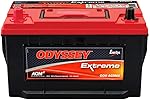
Best replacement battery?

I keep a good maintainer or solar panel on every vehicle (with any electronics) when they're parked.

That might be one reason I can expect 10+ years from batteries. That, and I use desulfation.
 
I keep a good maintainer or solar panel on every vehicle (with any electronics) when they're parked.

That might be one reason I can expect 10+ years from batteries. That, and I use desulfation.

Do you desulfate with the battery in the truck and connected?
 
Do you desulfate with the battery in the truck and connected?
I only use maintainers with built-in desulfation, and the batteries on solar panels I put a Canadus or PulseTech desulfator on.

So to answer your question, they are all being desulfated while installed and connected, and most also while driving .

The TRX is on solar and has a PulseTech permanently installed. The 3500 is on a maintainer, so on that one a Canadus is connected when the maintainer isn't, so both get desulfation all the time.
 
How strong is your Google-Fu ?

I had to look it up myself today.
 
Going back a page, sorry guys, but… the Odyssey quit me this weekend. Bought it in late August of 2024, so shy of 1.5 years old. So I guess we can add me to the failed Odyssey club.

Worked great Saturday after sitting overnight in low single digit temps (in-laws driveway), starting great, no hesitation. It got below zero Saturday night, tried to start up Sunday morning (still below zero), would only turn over about a quarter of a crank. 10.5v.

Used my portable jump starter, fired right up. 2 hour highway drive, 14.5v+ the whole way, tested at home, only 630cca.

We’ll see what the warranty does for me this week.
 
Anyone try a lithium yet? Antigravity makes some nice lightweight batteries. Not sure it’s worth it on these pigs though lol.
I have a lithium antigravity battery. Had it replaced once under warranty.......otherwise no issues after two years. Live in Florida
 
I only use maintainers with built-in desulfation, and the batteries on solar panels I put a Canadus or PulseTech desulfator on.

So to answer your question, they are all being desulfated while installed and connected, and most also while driving .

The TRX is on solar and has a PulseTech permanently installed. The 3500 is on a maintainer, so on that one a Canadus is connected when the maintainer isn't, so both get desulfation all the time.
U think desulfating is necessary when we run AGMs on all our vehicles (on and offroad). Genuinely curious ur thoughts.
 
I think we may have dodged a bullet by going the cheap route with our Everbilt Platinum walmart special. Thanks again @OnTheReel for the rec. Been going strong for a couple months now. If that changes, we’ll report back.
 
U think desulfating is necessary when we run AGMs on all our vehicles (on and offroad). Genuinely curious ur thoughts.
It can't be as effective as with a wet battery, but after having what seems like good results on AGMs over the years, why not use it?

Would my Peterbilt's and toy hauler's Optimas have lasted over 20 years if they weren't treated to desulfation? I dunno. Those (four each) were on Canadus units, which are not cheap, but now that the very affordable PulseTech ones are available I put them on regular small batteries, too.

Can't say how effective those are yet since I started using them only a couple of years ago. But either way, they can't hurt.
 
It can't be as effective as with a wet battery, but after having what seems like good results on AGMs over the years, why not use it?

Would my Peterbilt's and toy hauler's Optimas have lasted over 20 years if they weren't treated to desulfation? I dunno. Those (four each) were on Canadus units, which are not cheap, but now that the very affordable PulseTech ones are available I put them on regular small batteries, too.

Can't say how effective those are yet since I started using them only a couple of years ago. But either way, they can't hurt.
We usually use decent Noco ones but never looked to see if they had desulfation built-in. Will have to check and look into the Pulsetech ones you mentioned. Learn something new every day!
 
We usually use decent Noco ones but never looked to see if they had desulfation built-in. Will have to check and look into the Pulsetech ones you mentioned. Learn something new every day!
I don't care for the high voltage spikes that NOCO uses for desulfation. Much prefer the tried and true high frequency pulsing versions.

PulseTech makes great maintainers and affordable desulfators, but BatteryMINDers are what I have the most of. Either way, do not mix two desulfators, such as using a maintainer with it built in and an add-on external unit.
 
I only use maintainers with built-in desulfation, and the batteries on solar panels I put a Canadus or PulseTech desulfator on.

So to answer your question, they are all being desulfated while installed and connected, and most also while driving .

The TRX is on solar and has a PulseTech permanently installed. The 3500 is on a maintainer, so on that one a Canadus is connected when the maintainer isn't, so both get desulfation all the time.
What solar maintainer are you using?

I see I can get the pulsetech for 30. That is just the desulfator.

Also where did you mount the solar panel at on the TRX? Or are you only using it through the windshield?

Thank you!
 
Okay, after a couple of months I have to admit there's something to be said for charging a TRX by not bypassing the battery sensor.

Mine now seems to charge perfectly (it didn't charge at all when driving) after connecting the solar panel's ground to the body instead of the battery, and the other one is also behaving better.

What's interesting to me is that the TRXs seem to be the only ones being picky about this. The Challengers, a Charger, and a Durango, don't seem to care one bit that they're being charged through the underhood connections, and maybe that's because the sensor is still involved.

But two Ram 3500s are just fine with being charged directly at the battery posts.

Anyway, the moral of the story is don't hook your charger directly to the negative battery post.
What solar charger are you using and where did you mount them?
 
What solar maintainer are you using?

I see I can get the pulsetech for 30. That is just the desulfator.

Also where did you mount the solar panel at on the TRX? Or are you only using it through the windshield?

Thank you!
Our Lensun hood solar has been really good so far. Had it for exactly a year now and would def do it again.
DSC_0342.webp
 
What solar maintainer are you using?

I see I can get the pulsetech for 30. That is just the desulfator.
Also where did you mount the solar panel at on the TRX? Or are you only using it through the windshield?

Thank you!
What solar charger are you using and where did you mount them?
For the very most part I use Sun Energise (that's how they spell it) 10 and 15W panels from Amazon.

None of them are mounted to anything, but I should hang these on some sort of posts so I don't have to sweep the snow off of them in the winter. The ones used in the carport are hanging on small magnets with hooks. Those never get direct sunlight, but still work well.

I could leave the ones in the photo on the dashes, but then it'd be more work, scraping ice and snow off the windshields.
DSCN0252[1].webp
 
I have a lithium antigravity battery. Had it replaced once under warranty.......otherwise no issues after two years. Live in Florida
No probs with mine after several months. I have had a Braille Lithium in my old Police car for years and zero problems and I love the lesser self-discharge rate of Lithium!
 
Okay, after a couple of months I have to admit there's something to be said for charging a TRX by not bypassing the battery sensor.

Mine now seems to charge perfectly (it didn't charge at all when driving) after connecting the solar panel's ground to the body instead of the battery, and the other one is also behaving better.

What's interesting to me is that the TRXs seem to be the only ones being picky about this. The Challengers, a Charger, and a Durango, don't seem to care one bit that they're being charged through the underhood connections, and maybe that's because the sensor is still involved.

But two Ram 3500s are just fine with being charged directly at the battery posts.

Anyway, the moral of the story is don't hook your charger directly to the negative battery post.

Did you connect your charger to this post? I believe it's the IBS.

20260119_130413.webp
 

Latest Discussions...

RAM-TRX Vendors

justboltons.com BwoodyPerformance.com Granger Chrysler Jeep Dodge RAM OffRoadAlliance.com/ solisracinggroup.com Mark Dodge.com Forced Induction Interchillers RealTruck.com Ourisman Cars
Back
Top