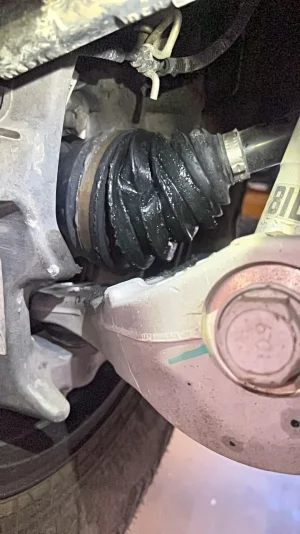
Living here in metro-Phoenix totally agree. The logic makes total sense. Cursory search "CV boots drying out Arizona heat" resulted in many posts and Silicone spray recommendations. Perhaps an urban legend? Trying to find info re: the Porsche model that infamously had it's taillights melt/warp from the extreme heat/dry climate.
No doubt why many test centers are located here in the Southwest- extreme varying climates/even altitude during a 'day drive' to the fine silt off-road. Loved seeing various test mules back in the 90's while on Patrol....some RHD, various camo efforts, unique foreign market badging, often seat-belted water jug 'passengers'. Definitely conditions that are harsh especially on rubber. We have to park our vehicles outside and cycle out batteries no fail - every two (2) years!
Fascinated by the mods that Border Patrol make to their Fleet vehicles and incredible feedback their daily conditions must provide manufacturers/Tier 1 suppliers. Curious now as to their related issues and preventive maintenance to potential upgrades? Another damn TRX inspired 'Rabbit Hole' to make some calls tomorrow and chase LOL!
A.I. points...
- Arizona is a premier location for hot weather testing because it offers and intense, reliable combination of extreme dry heat, high UV radiation and minimal cloud cover. These conditions allow manufacturers and researchers to accelerate the testing of materials, vehicles, and products, simulating years of wear-and-tear in a short time. Low Humidity and High Sun Exposure: The lack of moisture in the air means less cloud cover, allowing for maximum sun exposure and accelerated testing of materials.
- The Urban Heat Island Effect: Cities like Phoenix have high concentrations of concrete and asphalt, which absorb heat during the day and release it at night, creating incredibly hot environments for testing how materials endure constant, high-intensity heat.
- Materials Degradation: The combination of extreme temperatures and UV radiation is ideal for testing the durability of materials like plastics, coatings, and car parts, with specialized sites existing for long-term exposure testing.
- Infrastructure for Testing: Because of its natural climate, Arizona has developed the necessary infrastructure for testing, including Proving Grounds for automotive companies to check how systems like batteries and cooling perform in extreme conditions.